

 0
0

15 players · 12-hour days · social strategy
Spilled: A Social Reality Game Played in Real Time
Spilled is Socipic's chaotic social reality game where the group chat becomes the competition. Talk with real players, discuss favorite reality TV shows like Big Brother, Survivor, and Housewives, earn rewards for showing up in the conversation, read the vibe, vote, and survive as the game unfolds day by day.
How to Play Spilled
A Spilled game begins once all 15 player spots are filled. Day 1 starts automatically, and the game then plays out across 12 game days of 12 hours each (6 real days) with public chat, private conversations, item drops, nominations, eviction votes, and final placements.
The goal is simple: stay active, collect mushroom points, and grab any items that appear throughout the game. The more active you are in the main chat, and the more items you have in your inventory, the lower your chances of being nominated and evicted.
How to Stay Safe
You will not see one exact safety number, so you have to play the room. These are the things that usually matter most.
Stay Active
Show up in public chat and participate in the conversation instead of vanishing until nominations appear.
Earn Reactions
Other players can react to public posts. Positive reactions help show that the room is responding to you.
Build Relationships
Private messages matter for alliances, vote talks, warnings, deals, and finding out where the room is leaning.
Watch the Feed
Drops can appear during the day. Keys, Drink Me items, and Eat Me items can all help you stay safer.
Chat Is the Game
Public chat is where the cast talks, strategizes, argues, campaigns, forms alliances, reacts to what is happening, and posts images or GIFs. Older posts eventually stop accepting new reactions as the game progresses.
Private messages are where players make deals, compare information, coordinate votes, and test trust. Private chat does not replace public presence, and anything you say can still make its way back to the cast.
Nominations, Votes, and Evictions
Starting on Day 2, nominations happen automatically based on how players have been performing. No player chooses the nominees.
Assign Your Votes
Choose a numbered button for every nominee and use each value exactly once. Selecting a value in another row transfers it to that nominee.
- Four nominees: assign 3, 2, 1, and 0.
- Three nominees: assign 3, 2, and 1.
- Two nominees: assign 2 and 1.
Eviction Ties
If nominees tie in the eviction vote, one of the tied nominees is randomly selected to leave.
Items and What Matters
Eat Me, Drink Me, and Keys appear as drops in the public feed. The first eligible player to claim a drop adds it to their inventory.

Points
Points are the loudest signal in the room. Strong posts, good timing, and the way other players react to you can shape your path more than any single pickup.

Keys
Keys are rare protection. They do not explain the whole game, but when pressure builds, having one can matter a lot.
Drink Me
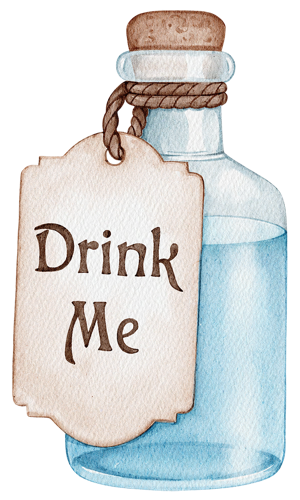
Drink Me is a strong inventory boost. It sits below points and keys, but it is still worth watching for when it appears.

Eat Me
Eat Me helps, especially when the game is still crowded. It matters, just not as much as the heavier pieces above it.
Safety Score
Your Safety Score brings together your public chat activity, the reactions you receive, collected items, Mad Hatter results, and nomination history.
Nominations can hurt your standing, while surviving them helps you recover. Strong challenge finishes help too. The exact balance stays hidden, so stay involved, collect useful items, and make your challenge attempts count.
The Mad Hatter's Challenge
On Days 1–7 of Spilled, players can compete in a mini-game and submit one score. Once submitted, the score locks.
The best score earns the Mad Hatter Save for the following day, through Day 8. Saves stop on Day 9 when there are two nominees. That power can save one nominee from eviction, protect an ally, make a deal, disrupt another group's plan, or change the direction of a vote.
Your Mad Hatter results also influence your Safety Score, so consistently strong finishes can help your standing.

Day-by-Day Flow
- Day 1
- Meet the cast, start conversations, and collect drops before nominations begin.
- Days 2–11
- Check the nominees, strategize, collect drops, and vote. Challenges and saves are available earlier in the game; evictions resolve at day change.
- Day 12
- Two nominees face votes of 2 and 1. The final eviction leaves four players, ranked by Safety Score.
Fame and Fortune Payouts
Better placements pay more. Games already running retain their original rules and payouts. Fame helps your overall standing, while Fortune gives you more to spend around Socipic.
| Place |  Fame Fame |  Fortune Fortune |
|---|---|---|
| 1st | 50 | 75.00 |
| 2nd | 40 | 40.00 |
| 3rd | 30 | 22.00 |
| 4th | 25 | 15.00 |
| 5th | 15 | 5.00 |
| Place | Fame | Fortune |
|---|---|---|
| 6th | 5 | 4.00 |
| 7th | 4 | 4.00 |
| 8th | 3 | 3.00 |
| 9th | 2 | 3.00 |
| 10th–15th | 0 | 0.00 |
Spilled FAQ
Short answers for new players learning how Spilled works on Socipic.
What is Spilled?
Spilled is a chat-driven online social strategy game on Socipic. Real players join a cast, talk in public and private spaces, build relationships, collect items, vote, and try to survive the room as the game moves day by day.
Is Spilled an online reality game?
Yes. Spilled is an online reality game because it uses real players, social strategy, alliances, voting, eliminations, and a season-like structure inside a browser-based Socipic game.
Are Spilled players real people?
Yes. Spilled players are real Socipic users, not computer opponents. The game changes based on what people say, who they trust, and how the group reacts.
How many people play Spilled?
Spilled is built for 15 players in a full cast.
How long does a Spilled game last?
Spilled lasts 12 game days over 6 real days. Each game day runs for about 12 hours, so a full Spilled game is built to move over several real days instead of all at once.
How does voting work in Spilled?
Assign each vote value once: 3, 2, 1, 0 for four nominees; 3, 2, 1 for three; and 2, 1 for two. Submit once to lock your ballot. One nominee is evicted per day; a Mad Hatter save protects its recipient.
What makes Spilled different from MadHouse?
Spilled is slower and more chat-driven, with timing, presence, item drops, and room awareness carrying more weight. MadHouse is faster and built around a house-game cycle of power, nominations, veto, and eviction votes.
Is Spilled free to play?
Spilled is currently free to join while Socipic is in beta. The Play page will show the current level and Fortune cost before you enroll if requirements change later.
How do I join a Spilled game?
Create a Socipic account, verify your email, open the Play page, and enroll in Spilled when a game is available.
Do I need Discord to play Spilled?
No. Spilled is played through Socipic in your browser. You can use Socipic game spaces for public chat, private conversations, item drops, voting, and game updates.



 Boil Water
 Cut Coconuts
 Go Fishing






 Fame
Fame Fortune